
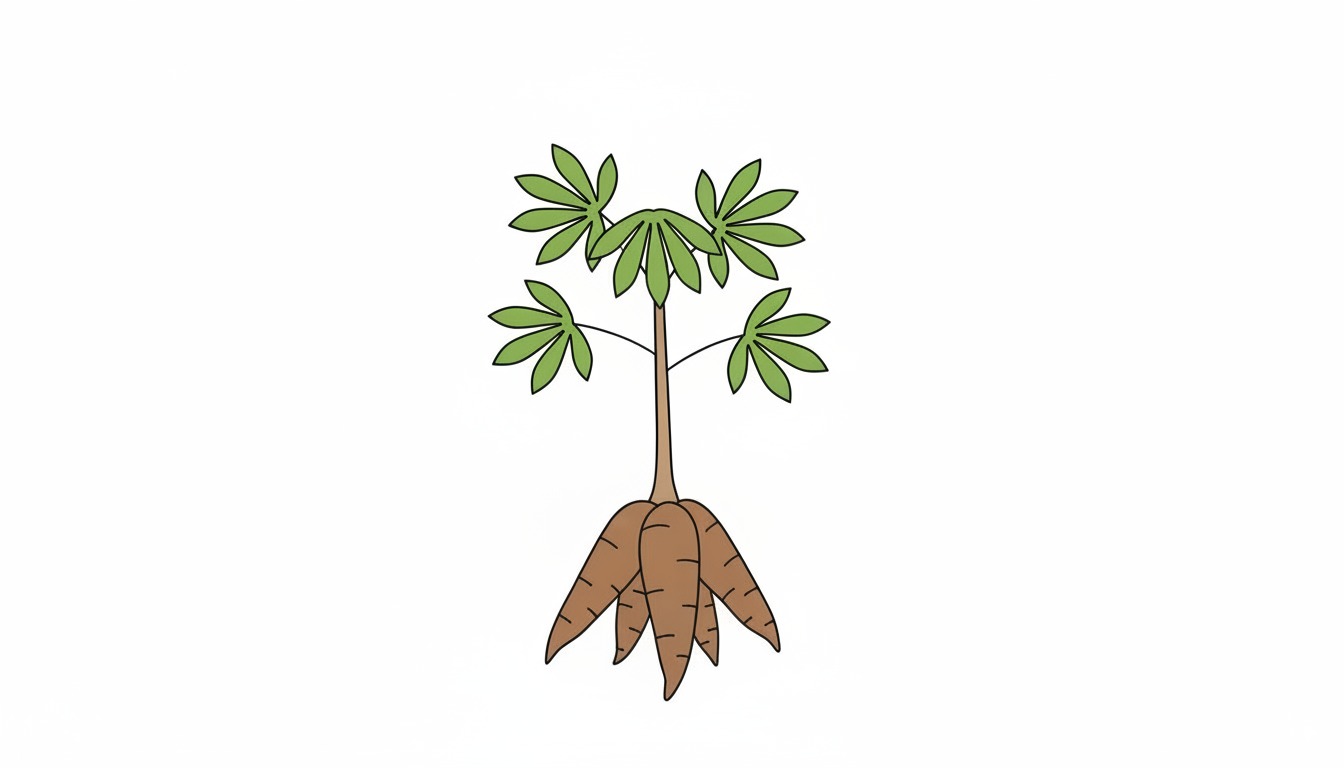
UMUDIKE, Nigeria — Nigeria remains the world's largest producer of cassava, supported by ongoing efforts from the National Root Crops Research Institute (NRCRI) and the International Institute of Tropical Agriculture (IITA). However, agricultural experts point out that a critical bottleneck remains: the adoption rate of improved, elite cassava varieties among local farmers is currently stagnant at only about 40%.
Beyond adoption challenges, the nutritional value of widely cultivated varieties presents a public health concern. Most traditional cassava varieties grown in Nigeria lack essential minerals, vitamins, and protein, and they often contain high levels of cyanogenic glucosides. While yellow-root cassava—biofortified with beta-carotene (provitamin A)—offers a viable path to combating micronutrient deficiencies, it is still not widely adopted by mainstream farmers.
Recognizing that farmers make decisions based on a complex set of criteria, researchers recently conducted Participatory Rural Appraisals (PRA) and sensory evaluations in the southeastern states of Abia, Imo, and Ebonyi. This participatory approach ensures that the traits bred in research laboratories align with the practical demands of rural farming communities.
According to the evaluations, the primary characteristics farmers prioritize when choosing new cassava varieties include:
- High crop yield and early maturity
- Robust resistance to local pests and diseases
- High sweetness and high dry matter content
- Ease of peeling and strong marketability
- Extended in-ground storage capability without rotting
By aligning breeding programs with these farmer-preferred traits, agricultural institutions hope to accelerate the transition to yellow-root, provitamin A-rich cassava. This collaborative strategy represents a key step toward improving both the economic livelihoods of smallholders and the nutritional security of millions who rely on cassava as a daily staple.