
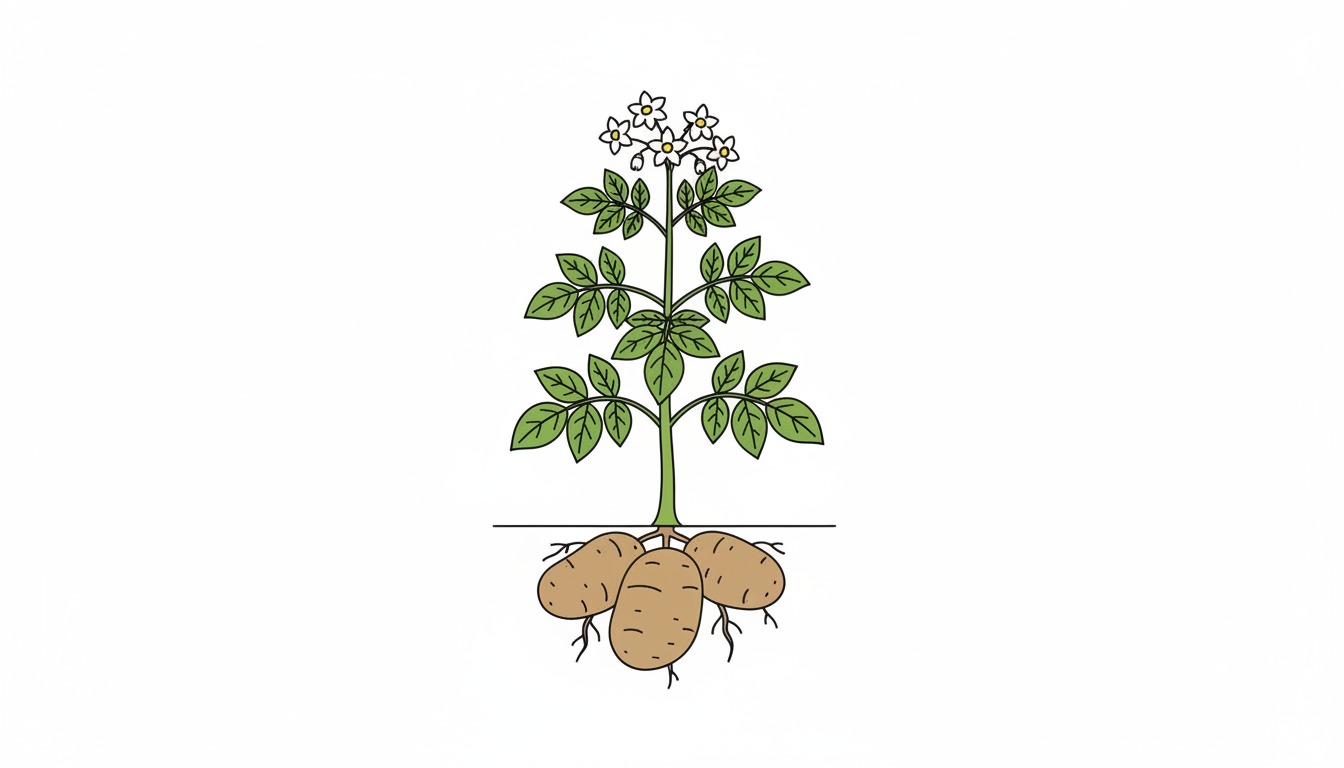
Tokyo, Japan — Researchers from the University of Tokyo Graduate School of Agricultural and Life Sciences and Kubota Corporation have developed a new phenotyping method that uses drones, artificial intelligence (AI), and crop growth modeling to predict potato yields before harvest. The technology enables researchers and growers to estimate underground tuber biomass without digging up plants, offering a non-destructive approach to yield forecasting and precision agriculture.
The research combines drone-based remote sensing, machine learning, and a time-series growth model to estimate potato tuber development throughout the growing season. The project was carried out under the joint Kubota Todai Lab initiative and demonstrates the potential of AI-driven field phenotyping for crops with underground harvest organs.