
Lampung, Indonesia · 2009 Cassava(mandioca, yuca) Starch Plant 12 t Cassava(mandioca, yuca) / Day (Upgraded from 5 t / Day)
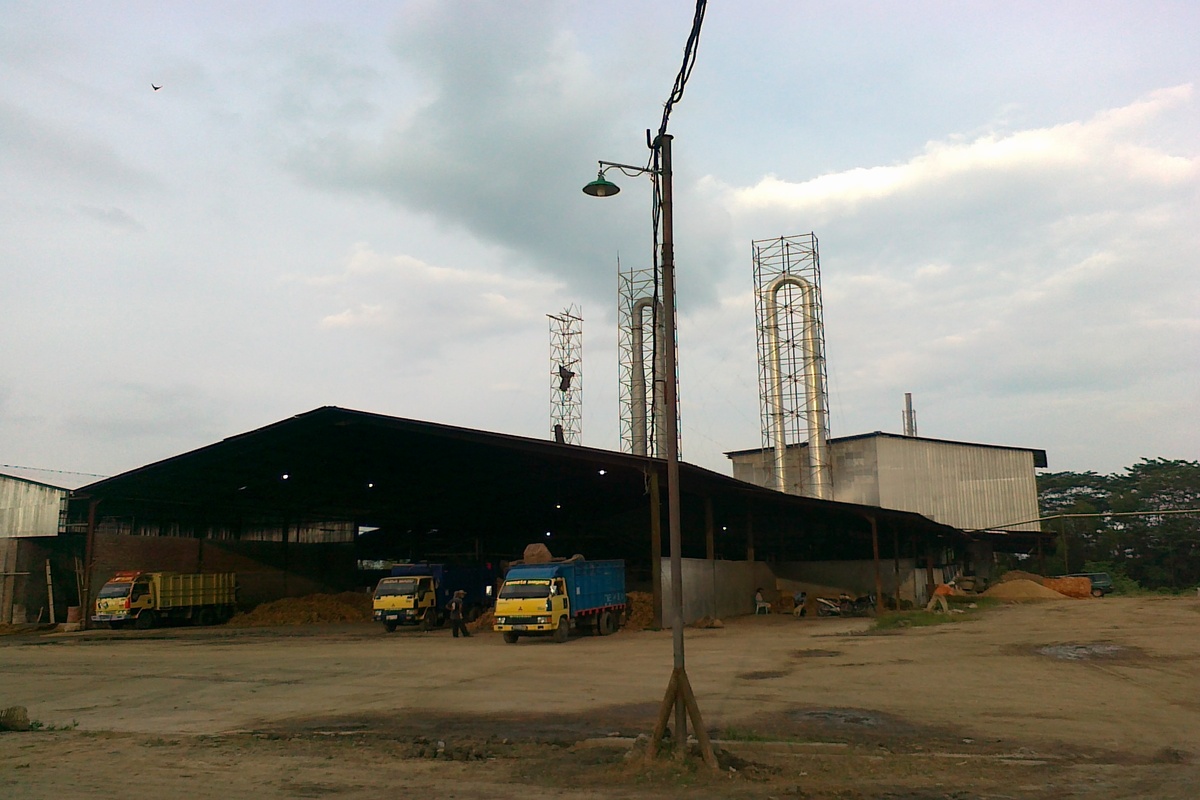
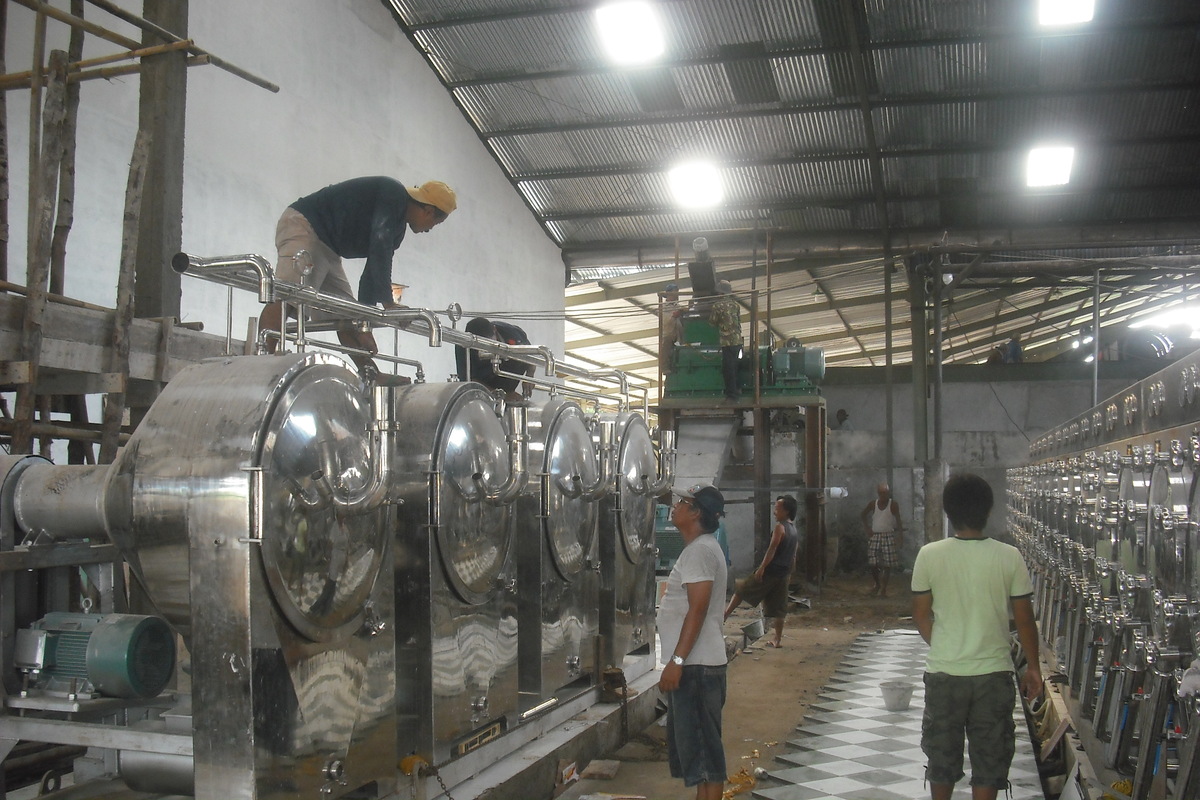
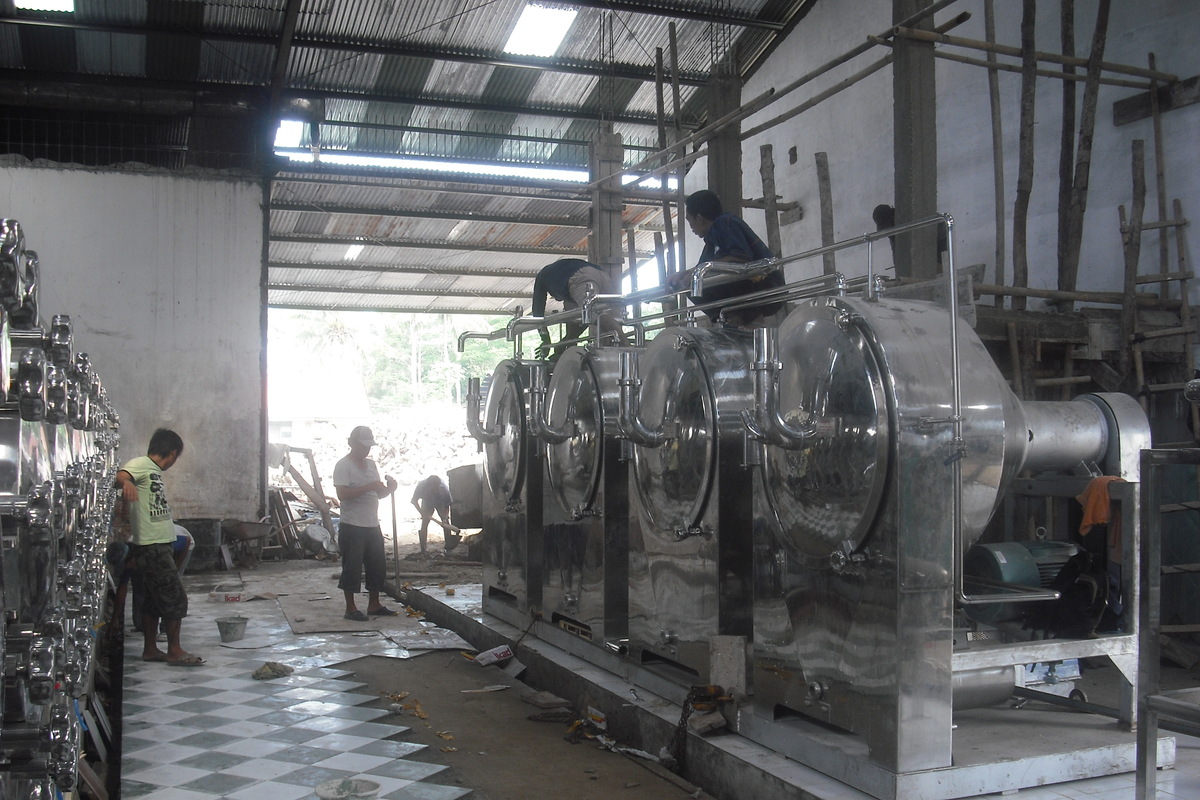
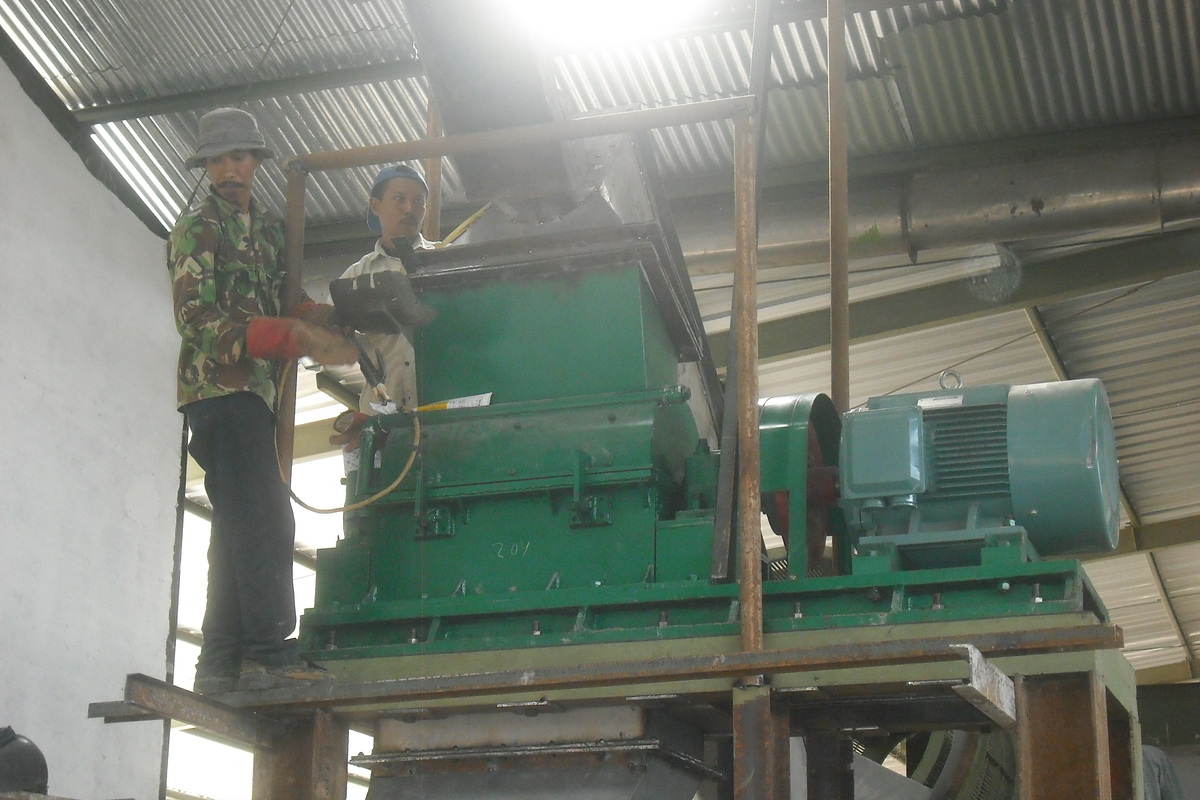
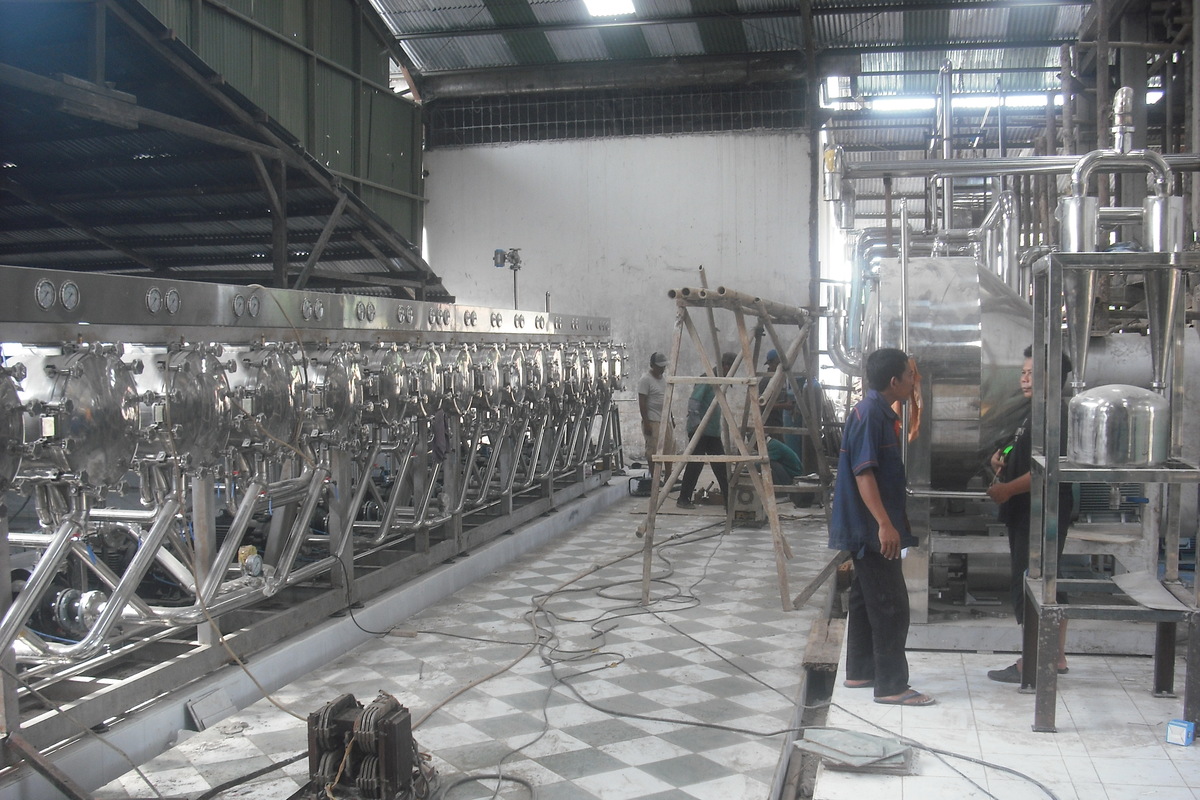
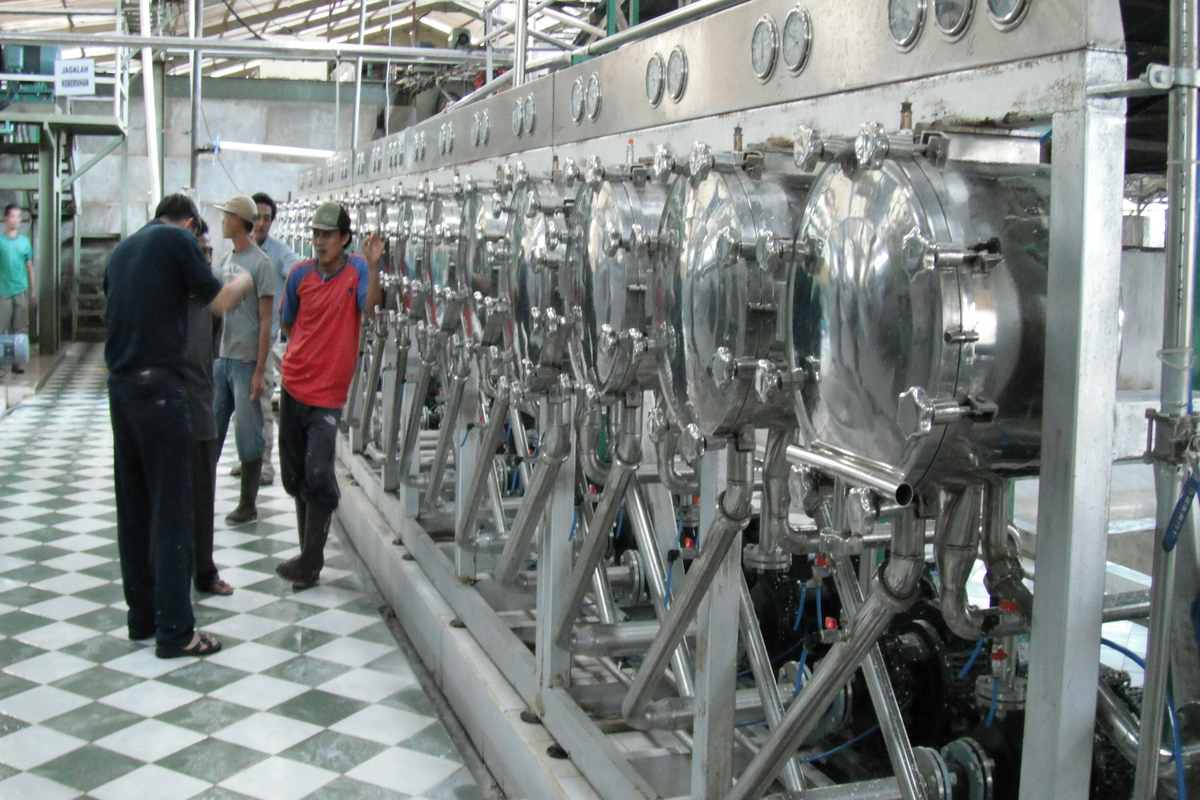
2009 · Lampung, Indonesia
By upgrading the traditional production line, we helped a long-standing local factory overcome efficiency bottlenecks, elevating product quality and extending its reach from local markets to international trade. Our modernization solution preserved the starch's native properties while introducing industrial-scale efficiency, successfully breathing new life into a traditional process.
Local Context & Heritage
Lampung Province is a core cassava(mandioca, yuca)-producing region in Indonesia, with a long history of cassava(mandioca, yuca) processing. The factory was a typical traditional Indonesian cassava(mandioca, yuca) starch processor, relying on the classic "chute sedimentation method." The starch produced was uniquely valued for its local viscosity characteristics, primarily supplied to nearby workshops to make Indonesia's beloved traditional snack, Kerupuk Udang (shrimp crackers).
The Challenges We Face
As both domestic and international food processing standards rose, the factory faced severe transformation pressures. Relying on manual labor and obsolete chute sedimentation equipment, the daily cassava(mandioca, yuca) processing capacity was stagnant at around 5 tons. This setup could not handle the raw materials during harvest peaks, nor could it secure larger commercial orders. Furthermore, the traditional open sedimentation process was highly vulnerable to weather, water quality, and human factors, making standardized quality control of whiteness, purity, and viscosity extremely difficult.
Our Solution
In 2009, we delivered a customized, modern suite of cassava(mandioca, yuca) starch processing equipment. While preserving the raw material's inherent quality, we upgraded the core process. We introduced professional multi-stage washing and highly efficient crushing technologies to maximize starch yield. Next, industrial-grade centrifugal screening and slurry separation systems completely replaced the massive, low-efficiency, and easily contaminated chute sedimentation tables. Finally, an enclosed pneumatic flash drying and packaging system was configured to ensure rapid drying, moisture control, and consistent quality.
Project Impact & Value: The technological upgrade brought a dramatic leap in productivity. Daily processing capacity more than doubled from 5 tons to 12 tons, significantly improving resource utilization. The starch quality achieved excellent industry standards in whiteness, viscosity, and hygiene, fulfilling the strict demands of high-end local shrimp cracker manufacturers. Ultimately, this expanded capacity enabled the factory to secure international trade channels, successfully exporting premium cassava(mandioca, yuca) starch to major Asian consumer markets, including Vietnam and China.